

Trauma-Informed Healthcare Providers
Minimizing and mitigating traumatic stress in pediatrics.
Commitment to Healing
Becoming a trauma-informed healthcare provider is more than a professional designation—it is a commitment to healing the whole ecosystem of care. It means recognizing that trauma shapes the experiences of everyone who walks through your doors, including your patients, their families, and your own team. Explore the resources below to deepen your practice, protect your well-being, and provide the holistic support that modern healthcare demands.
-
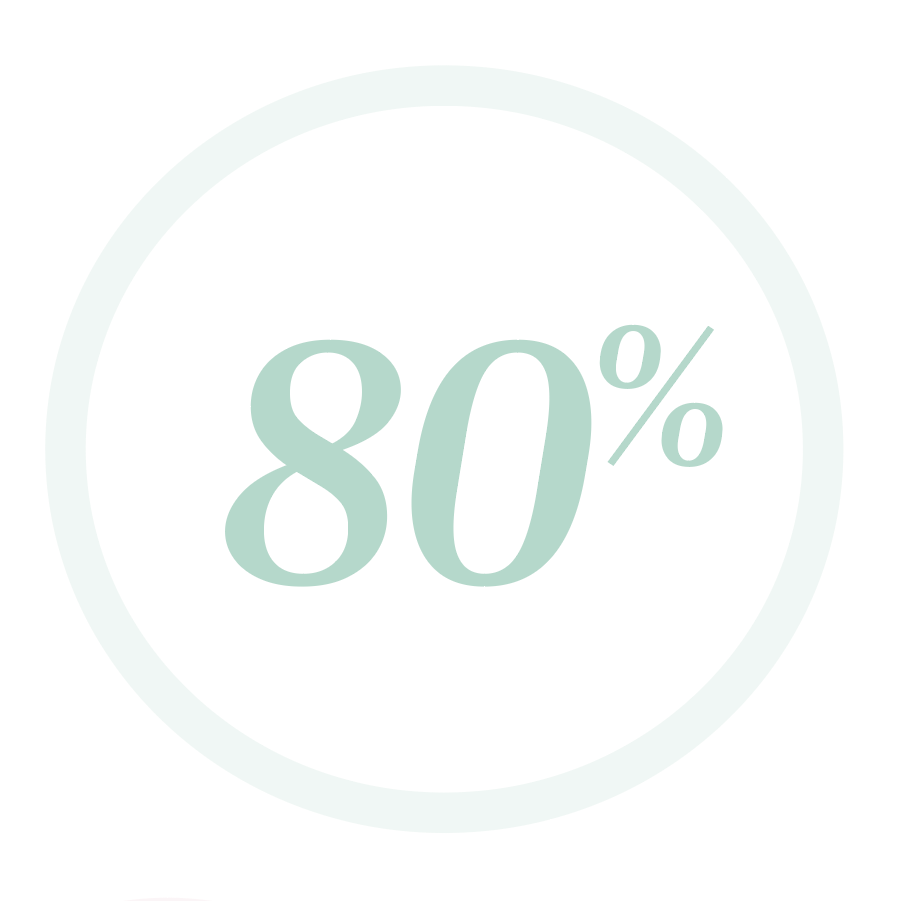
A majority of families with a child who has a serious injury or illness experience some level of measurable traumatic stress.
-
Studies that measured provider wellbeing found a significant correlation between poor wellbeing and decreased patient safety.
-
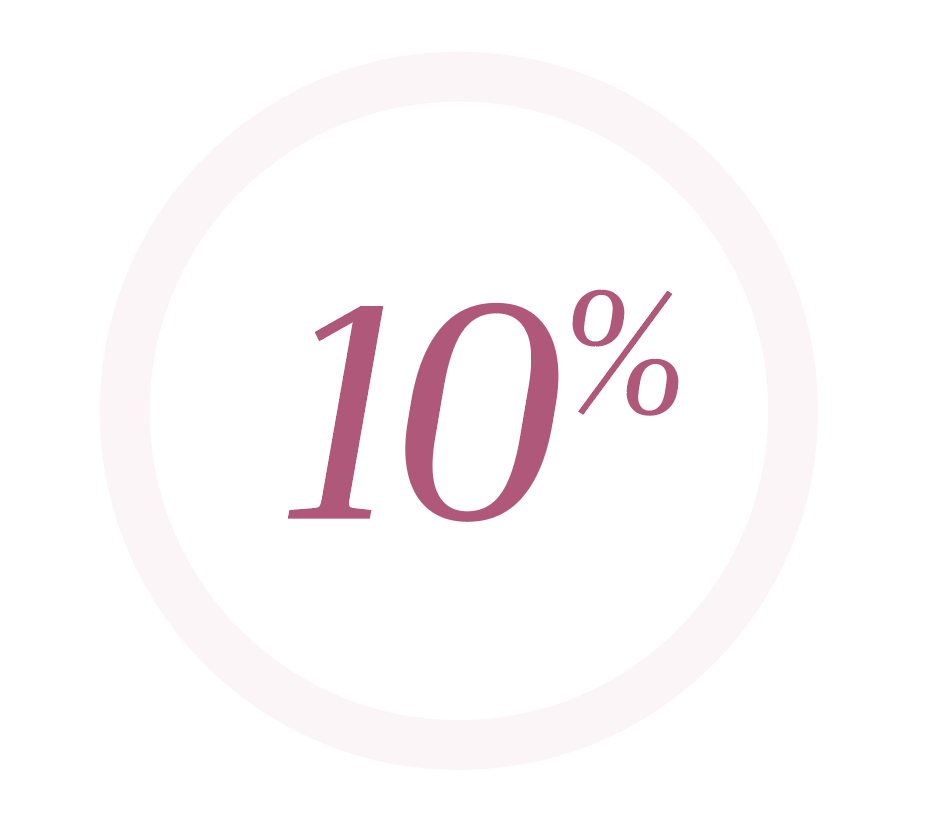
Low morale & burnout has kept turnover rates 10% higher than pre-pandemic levels.
-
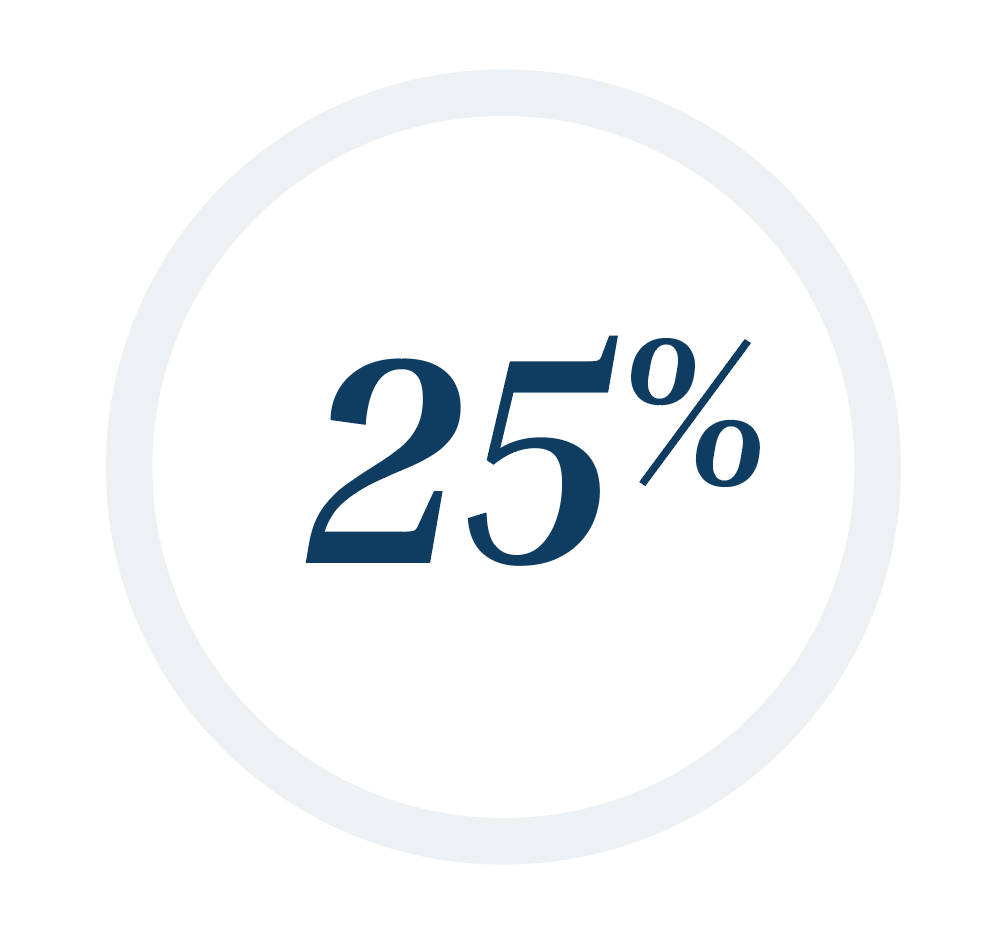
A quarter of pediatric healthcare workers have a provisional PTSD diagnosis.
Continuing Education Series
Provider Medical Trauma Training
2 trainings on Secondary Traumatic Stress
3 trainings on Pediatric Medical Traumatic Stress
2 trainings on Increasing Patient & Family Trust
Resiliency toolkit with materials to integrate and reinforce training concepts
Nursing Self-Care
Resiliency in Nursing
A wellness program designed for the realities of nursing work and busy healthcare environments
52 weekly 10-minute sessions
A practical tool for shifting team culture to prioritize wellness, self-care, resilience, and nursing staff team cohesion.
Patient Family Experience
Parent / Caregiver Wellbeing Groups
Provides targeted psychosocial support intervention for parents & caregivers after a child’s hospital discharge
Groups validate the families’ experience, build community & teach coping skills
Facilitated by Alongside Network
Organizational Impact
Alongside Network provides comprehensive resources and training programs that strengthen healthcare organizations from clinical practice to patient outcomes.
Building More Than Provider Confidence: Equips clinicians with relevant, practical strategies and tools for trauma-responsive, healing-centered, and culturally responsive care, giving them the confidence to apply these practices directly in their daily work.
Building Resiliency in Nursing Staff: Supports nurse well-being to enhance overall patient safety and decision-making, helping mitigate burnout risks such as medication errors, adverse events, and lower patient satisfaction.
Building Patient Family Experience: Fosters an empathetic, supportive environment where patient families feel deeply understood and cared for throughout their healing journey..

“This type of trauma often goes unnoticed as it is deemed less important by society.”
“By helping us providers cope better, it will trickle down to our patients.”
-Elise, Provider Participant
A 2024 systematic review of 85 studies found that nurse burnout was associated with increased medication errors, patient falls, hospital-acquired infections, adverse events, and lower patient satisfaction, underscoring the close relationship between caregiver well-being and quality of care.
-Source
Provider Medical Trauma Trainings
Alongside Network is strengthening provider confidence through various training and education series focused on Pediatric Medical Traumatic Stress, the impacts of Secondary Traumatic Stress, and increasing the capacity for provider trauma-responsive, healing-centered, culturally responsive care for patients. Many providers see the traumatic impacts of lifesaving care every day but lack the training on how they can care for their patients, patient families, peers, and themselves.
In partnership with the Minnesota Chapter of the American Academy of Pediatrics (MNAAP), these provider-focused self-paced trainings are available to strengthen provider confidence and increase patient and family trust.

Explore Trainings
-
Define Pediatric Medical Traumatic Stress and the 4Rs of trauma-informed care
Identify the rates of Pediatric Medical Traumatic Stress in patients, caregivers, and siblings
Describe the importance of realizing the widespread impact of Pediatric Medical Traumatic Stress
-
Identify the signs and symptoms of Pediatric Medical Traumatic Stress in patients, caregivers, and siblings
Recognize varying clinical presentations of Pediatric Medical Traumatic Stress
Describe risk factors for the development of Pediatric Medical Traumatic Stress
-
Identify strategies to support families experiencing symptoms of medical traumatic stress
Discuss approaches for discussing emotional health and trauma reactions with families
Learn applied skills for resisting re-traumatization by reducing traumatic aspects of care
-
[NEED CLARITY ON OUTCOMES OF THIS COURSE AND THE NEXT]
Recognize how proactive provider well-being directly mitigates the emotional and psychological toll of medical interventions on families.
Learn to use mindfulness to notice your own internal stress triggers, ultimately boosting job satisfaction, improving overall quality of life, and reducing the burnout.
Discover how a trauma-informed culture protects organizations by lowering tension with families, reducing medical errors, and decreasing costly malpractice claims.
-
Transition from asking "What is wrong with you?" to "What happened to you?" to better understand patient behavior.
Actively build safety, transparency, and collaboration into workflows to prevent re-traumatizing vulnerable patients.
Identify signs of trauma and toxic stress in patients, families, and staff to intervene early.
-
Recognize when and how trauma impacts patient-provider interactions.
Demonstrate communication techniques that promote safety, trust, and collaboration between provider and patient families.
Apply practical self-regulation strategies to reduce secondary traumatic stress and improve trauma-informed care.
-
[Future Training]

What Skills Does the Program Build?
What skills can be developed in short 10-minute activities? Research points to four interconnected areas of growth, each of which is meaningfully strengthened through brief, consistent practice.
-
The capacity to adapt, recover, and continue functioning effectively when faced with stress, adversity, or trauma in the clinical environment.
In hospital settings, resilience helps staff maintain emotional stability, cognitive clarity, and professional competence under pressure. Strong resilience is associated with lower burnout, reduced compassion fatigue, and better overall mental health. For patients, resilient clinicians sustain empathy and make stronger clinical decisions; within teams, resilience strengthens cohesion and communication.
-
The positive feelings of purpose, fulfillment, and professional effectiveness that come from helping others.
Compassion satisfaction helps protect against burnout, moral distress, and secondary traumatic stress, reinforcing meaning and emotional resilience in demanding clinical environments. Higher compassion satisfaction is associated with improved mental health, stronger work engagement, and enhanced empathy. Within teams, it supports collaboration, morale, and psychological safety.
The Program Framework
Every activity in the curriculum is organized around three evidence-based components: connect, pause, and reflect. Each targets a different dimension of wellbeing, and together they form a complete cycle of care for both the individual and the team. The activities come from real-life applications, drawn from the authors' clinical experience working with healthcare staff on wellbeing.
Connect
Promote connection within your team through activities that build relationships, trust, and a shared sense of purpose.
Activities include:
Peer support and team bonding
Gratitude and kindness practices
Team cohesion exercises
Building Resiliency in Critical Care Nursing Staff
Nurse Wellbeing Program
Alongside Network partners with hospitals to build resiliency in critical care nursing staff through a structured, evidence-based curriculum designed by leading researchers. The program fits seamlessly into existing huddles and staff meetings, with minimal time commitment required by all nursing staff.
-
The practice of treating yourself with the same kindness you would offer others, approaching personal struggles with mindful awareness rather than self-criticism.
For clinicians in high-intensity environments, self-compassion is a protective emotional resource that buffers stress and promotes adaptive coping. Higher levels of self-compassion are linked to lower burnout, reduced secondary traumatic stress, and better emotional regulation. It also supports empathy, presence, and ethical decision-making in patient care.
-
Healthcare professionals providing emotional & practical assistance to one another, creating shared space for processing stress and validating difficult experiences.
In hospital settings, peer support helps clinicians manage acute stress, reduce isolation, and cope following challenging clinical events. Research shows peer support reduces burnout and secondary traumatic stress by building connection, normalizing emotional responses, and encouraging early help-seeking. At the organizational level, it nurtures a culture of compassion, psychological safety, and resilience.
Pause
Provide opportunities to step out of the clinical pace and practice regulation skills that restore equilibrium.
Activities include:
Mindfulness and breathing
Self-compassion practices
Progressive muscle relaxation
Emotional acceptance
Reflect
Create space for staff to step away from technical expertise and reflect on thoughts, feelings, values, and meaning.
Activities include:
Emotional reflection and awareness
Goal setting and strengths
Gratitude and values-based living
Resilience building
Build a culture of wellness and resiliency for your team!

Patient Family
Wellbeing Groups
Wellbeing Groups are for parents and caregivers of children who have experienced a serious medical illness or injury.
Groups are designed to validate the experience of the parent/caregiver, create the opportunity to build community, and develop coping skills.
Now is the right time to join a group. No matter if it’s been 1 month or years since the injury or illness began.
Co-facilitated by a clinical professional and a parent/caregiver with lived-experience.
Meets once per week on Zoom for six weeks. Both daytime and evening groups are available.
No cost to families.
Source: CPTS-Therapist-Resource-Guide.pdf
Each year in the United States:
Approximately 20 million children are injured, resulting in 8 million emergency room visits
Over 11,000 children are diagnosed with cancer
More than 1,000 children undergo organ transplants
Approximately 5% of children and adolescents are hospitalized for acute or chronic illness or injury
Approximately 30% of children newly diagnosed with Type 1 diabetes require hospitalization and intensive care treatment
Nearly 1 million children and adolescents make emergency room visits for a life-threatening asthma episode
Between 15,000 and 30,000 children under 15 are hospitalized for burn injuries
Source: Prevalence | Patient Centered Care and Trauma Informed Care for Pediatric Patients - HEALTHCARETOOLBOX (link)
More than 80% of children and parents report at least one severe acute traumatic stress reaction within the first month following an injury or serious illness.
Source: Price et al. (2016) Systematic review: A re-evaluation and update of the Integrative (Trajectory) Model ofPediatric Medical Traumatic Stress. J Pediatric Psychology, 41: 86-97
Patient Prevalence:
~30% of children experience significant traumatic stress events across illness / injury groups
Caregiver Prevalence:
20-30% of caregivers experience persistent traumatic stress reactions
Sibling Prevalence:
15-25% of siblingsexperience persistent traumaticstress reactions
Burnout:
Pediatric Nurses (Zhang, 2018)—38.68% burnout
Pediatric Physicians (Medscape, 2021)—45% burnout
Mental Health Professionals (O'Connor, 2018)—20-40% burnout
PTSD:
Pediatric Nurses (Berger, 2015; Kellogg, 2018, & Ratrout, 2020)—50.3-78.2% moderate-severe STS
Pediatric ICU Staff (Rodríguez-Rey, 2019)—20.1% PTSD
Non-Critical Pediatric Staff (Rodríguez-Rey, 2019)—18.5% PTSD