
There Is No One Path
One of the questions we spent time focusing on during our Ambassador retreat was, "What does a family's journey through Alongside actually look like?" We started by thinking about the different points in a family's experience where particular resources, programs, or types of support might be most helpful. What might a family need when they are first navigating a medical complexity? What changes will they face when they transition from hospital to home? What support might be most beneficial as they adjust to a new diagnosis or new challenges? It made sense to think about all these questions in a pathway.
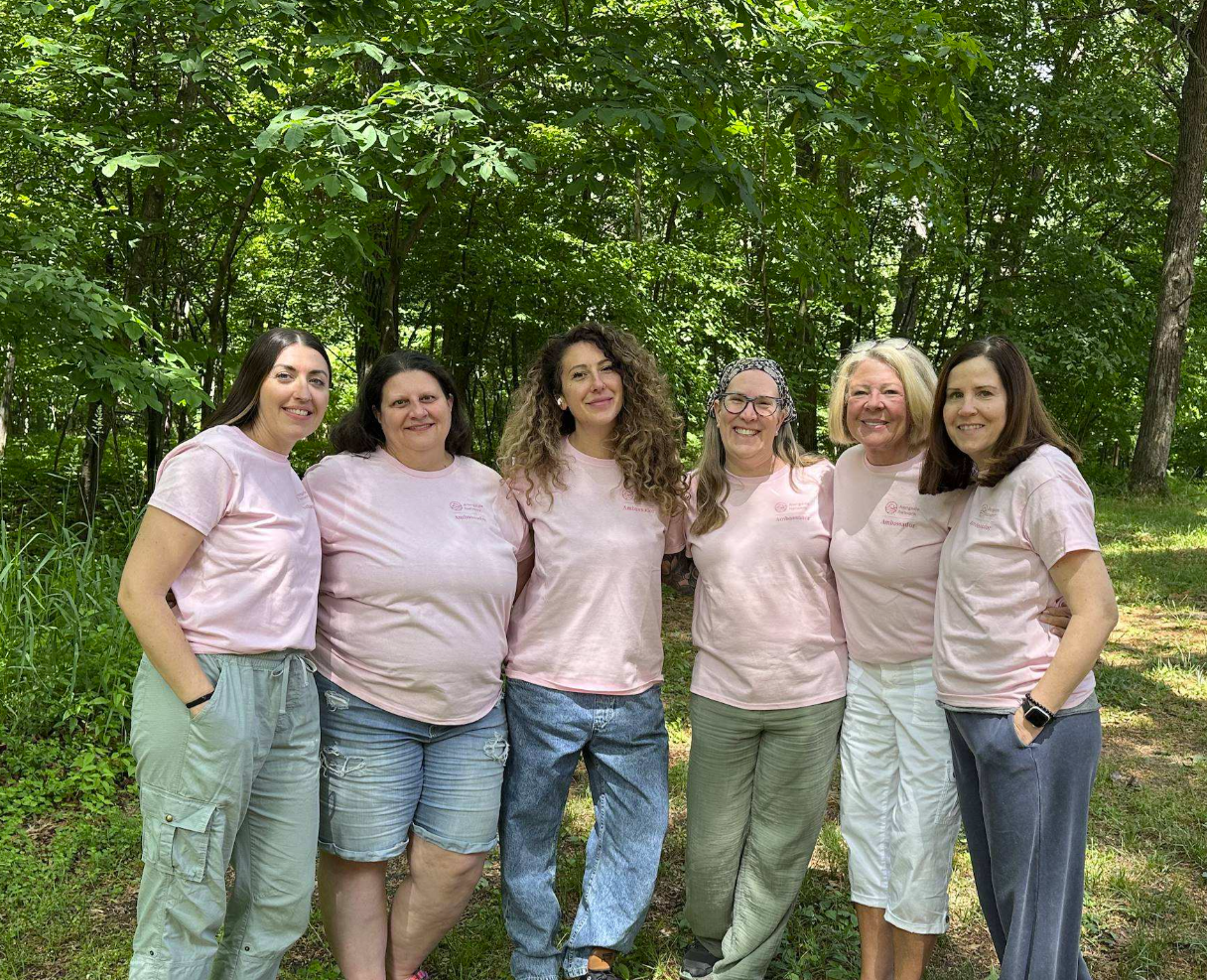
As families move through different experiences, Alongside could map out what support might be most helpful and impactful at each stage. Each of the Ambassadors drew out and created their own maps of what a family's journey through Alongside could possibly look like. Some of the drawings resembled timelines that showed different types of support appearing at different stages. Others focused less on time and more on the goals we hope families can work toward, such as building and maintaining meaningful connections, finding opportunities for healing, or developing skills that support wellbeing long term.
Looking at the drawings together was impactful because they were both similar and completely different. We realized that perhaps there isn't one pathway at all. Families don't experience medical complexity in one predictable, linear pathway. Their needs are drastically unique and ever-changing, and their circumstances change. A resource that is helpful at one point might not be useful or needed later on. A family might participate in one Alongside program, step away for a while, and return when something else becomes relevant. Another family might enter through a completely different door or be on a very different path with a different goal. The more we talked about it, the less a straight line seemed to capture what we were describing. Instead, we began to think about a constellation — something non-linear, with multiple entrance and exit points, where there isn't necessarily one correct way to move between them. In the same way, Alongside can offer different points of connection between different programs, groups, resources, relationships, and opportunities for support that families can move toward and away from depending on what they need.
I think many of us came into the Ambassador retreat envisioning a more linear or set pathway for Alongside. The shift away from that mindset was significant. It means we don't have to ask, "What is the one all-encompassing pathway a family should follow?" We can instead ask, "What are some of the different ways a family might connect with Alongside, and how can we make sure there is meaningful support available wherever they are?" The Ambassadors' drawings helped put that vision on paper. Some of them showed when certain services might be most useful. Others imagined how Alongside could help families build connections as well as maintain those meaningful connections, work toward personal goals, heal through participation, or develop skills that support their wellbeing over time. Together, they showed us that there isn't one universal timeline for any family's experience.
This was one of the most valuable conversations and activities from our Ambassador retreat because it really pushed us all to think about creating multiple points of belonging and support. No journey follows a linear pathway, and there doesn't have to be a straight line for Alongside to walk alongside these families and support them at every stage. Some families may need a support group. Sometimes they may need a resource. Sometimes they may need connection with people who really understand them. Sometimes they may step away from Alongside and return later. And lastly, they may discover something they didn't know they needed until they found it. Our job is to keep creating those vital points of connection and to ensure families can find their way among them.
Written by: Anna Knaus