
Finding Hope - Parent Voice
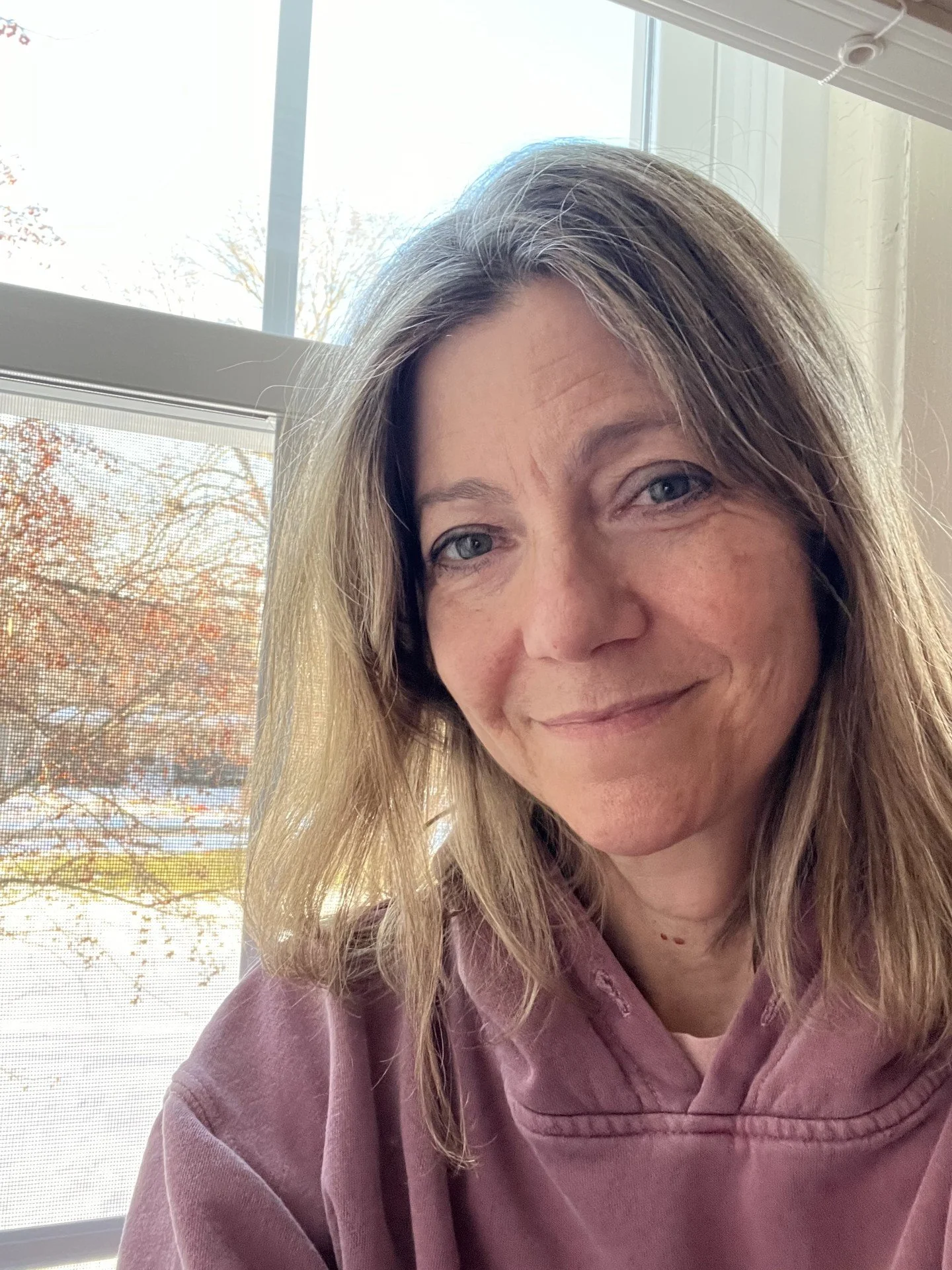
My journey with Alongside began about 3 years ago. My 22-year-old son, Sam, had just come home from being in a long-term rehabilitation facility for 4 months, and a neuro-ICU for 2 months before that due to a massive brain infection caused by a routine wisdom tooth extraction. I was in a fog of grief and disbelief after an extensive period of having to drive an hour into Boston every day for 6 months, knowing mental anguish awaited me at the end of the drive. Back then, every day brought more unanswered questions. At first, it was, "Is this really happening? Was my son really just air-lifted from one hospital to another after slipping into a coma? Is my son going to survive? If he does survive, will he ever walk and talk again?" I was in pure shock. A doctor told us your son is the “sickest person in here,” meaning that death is a real possibility. My mind could not make sense of the horror of it all. At home, I was constantly mentally jarred into the reality that my baby was fighting for his life, which felt like a constant pummeling of trauma. I knew I needed support from what felt like a nervous breakdown, because the Xanax could only do so much. So I sought out help within the hospital, but came up empty—Mass General Brigham is a world-class facility affiliated with Harvard medical school—how is there no emotional support for families going through this hell? I was dumbfounded. Well, the Boston Children’s hospital next door is bound to have resources, so I sought out help there. Pretty much a dead end since my child was 22 and not admitted there, and even their resources seemed thin. OK, I guess I'm on this island alone…
“My poor baby—The ICU brought drug induced comas, ventilators, feeding tubes, catheter and colostomy bags, IV ports, multiple drains in his brain, a craniotomy—things that a mother should never have to see.”
The next 4 months of rehab was a living hell not only for me, but now for Sam. Uncontrollable tremors, vomiting, complete muscle atrophy, still not knowing if he would walk or talk again, endlessly advocating for his needs. But the day his trach tube was capped and he said “Hi Mom” was as thrilling as the day he was born. Throughout these months you feel grateful for tiny advances from a situation that never should have happened in the first place. It blows your mind over and over and over again. Again I sought out a support system—nope, just an administrative social worker and a chaplain. How could that be? The patients and families in this facility are undergoing the most traumatic thing in their lives?! We are in one of this countries’ top cities for medical treatment, but you are left to figure out how to cope with your families' life altering illness on your own? That made no sense to me.
When we were finally able to bring him home, he was in a wheelchair—we had to buy ramps so we could get him into the house. Again, the disbelief of the polarizing joy and pain our lives had become. He was on MY watch now, so a new level of stress, responsibility, and fear broke through. Day and night I was tending to his needs while coordinating the host of therapists and nurses who came to the house for services—I didn’t want strangers in my house; a big part of me just wanted to be left alone to lie in bed and cry. We were grateful to be home, but so tired and sad. He had lost his spark—his eyes and expression were flat—maybe the injury to his brain changed that about him, I wasn’t sure if I would ever see it again. I wasn’t sure how to help him or myself from the acknowledgement that life had changed, but we needed to have hope. How? There is no guidebook for this, there is no “back to baseline,” no new normal. Just a sea of uncertainty.
I felt broken trying to navigate a world I didn’t want to be in. I went on-line looking for support groups. The Brain Injury Association of Massachusetts had groups—but seemed like they were geared toward illness of a parent, spouse or sibling, but a child is next level. I desperately needed to talk with other parents who could understand my pain so I didn’t feel so alone. I discovered a Facebook group for “Parents of Children with Brain Injuries”—my heart ached that such a group even existed. Two days after I joined, I saw a post for a well-being group who supported parents and caregivers of children who had suffered traumatic brain injuries. I was shocked! It honestly felt too good to be true, but I quickly connected with Jen, the founder, and could not wait for the 1st meeting! (There’s that dichotomy again…excited to have found a group of brain injury care-givers).
I felt an instant level of comfort with this group of moms. We were all in our own forms of Hell, and had come together to talk about that common thread. We all needed healing, support, and a time and space to connect with others who just “got it.” Even though it was intense, it felt safe to share, slow down, and learn practices that helped us go forward in our painful journeys with our children. It was a weekly Godsend of an escape with tears, laughter, and validation. We took deliberate breaths, reflected, and encouraged. Every week, something another mom expressed made me say, “Oh wow, I feel the exact same way!” And even though these moms were scattered across the country, I met up for lunch with one who happened to live 30 minutes from me! She told me about a unique therapy center in New Hampshire that helped her daughter rehabilitate—so of course I signed my son up as well. I never would have known about it otherwise. Experienced parents are without a doubt, the most valuable resource.
When I received an e-mail that an extension of this group called “Befriending Peace” was starting up, I jumped on it! The instructor Denise led us through guided mediations every week and provided some to use outside of our meeting. I still think of her voice and it brings me calm. We learned a way to be mindful by connecting to our bodies and sensory environment, paying attention to “moments of goodness.” Slowing down and recognizing these moments in our world allowed my mind’s stressful chatter to stop—even if it was just for 10 seconds. I realized how critical it was to deliberately allow something positive in throughout my day. We can get so lost and caught up in the frenzy of caring for our child, that it’s no wonder that peace doesn’t come. I learned that without having the intention to heal, we never will. I started to savor moments—small ones from that 1st sip of morning coffee, listening to my son whistle in the next room, and allowing myself to play a great song and dance wildly. I started to be compassionate and kind to myself after many months of beating myself up that I had allowed this to happen to my son.
Months later, another group focusing on Forgiveness was being offered! Wow, this was a HUGE topic for me—not only in my past in general, but I was struggling with forgiving and blaming myself for Sam’s injury. Again, we shared and listened to each other's experiences and perspectives. Some of us were trying to forgive ourselves, and some considering forgiving others who caused harm to our children. I was in awe of these moms and their stories, the struggles, their strength—I keep them in my heart to this day. The moms and talented host fueled my perspective and made me feel that perhaps I am lucky in a sea of unlucky—an unimaginable thought a year ago. I still struggle to forgive myself, but the discussions and wisdom offered got me closer than I would have got on my own.
Alongside was a lifeline in an extremely difficult and dark time. I believe these groups have aided in recovery from the trauma that has been brought to our worlds. Like most challenging experiences with loved ones, it takes a village. A village of support, compassion, and understanding. Friends and family just could never understand that our lives have forever changed. Knowing I have this village of people who have been in similar shoes gives me hope, strength, and passion to not just survive, but thrive. I am so grateful to Jen for founding Alongside. She offers something that is critically needed to navigate our mental health through this brutally difficult chapter of our lives. A community of people coming together to heal has been more powerful than what I can access one-on-one in my therapist's office. What a gift. But, ultimately, I am not the only one who benefited from this gift. My son did as well. If I feel understood, Sam will benefit. If I am self-compassionate, he will benefit. If I forgive, he will benefit. If I allow hope and joy, he will benefit.
Sam got his spark back. He is living on campus at a college outside of Boston and is studying communication and exercise science. He has physical challenges and mental fatigue, but he is proud of himself and has found a way to be happy.
The Befriending Peace group instructor, Denise said that on the other side of grief is gratitude. She was right.
Thank you, Pam L